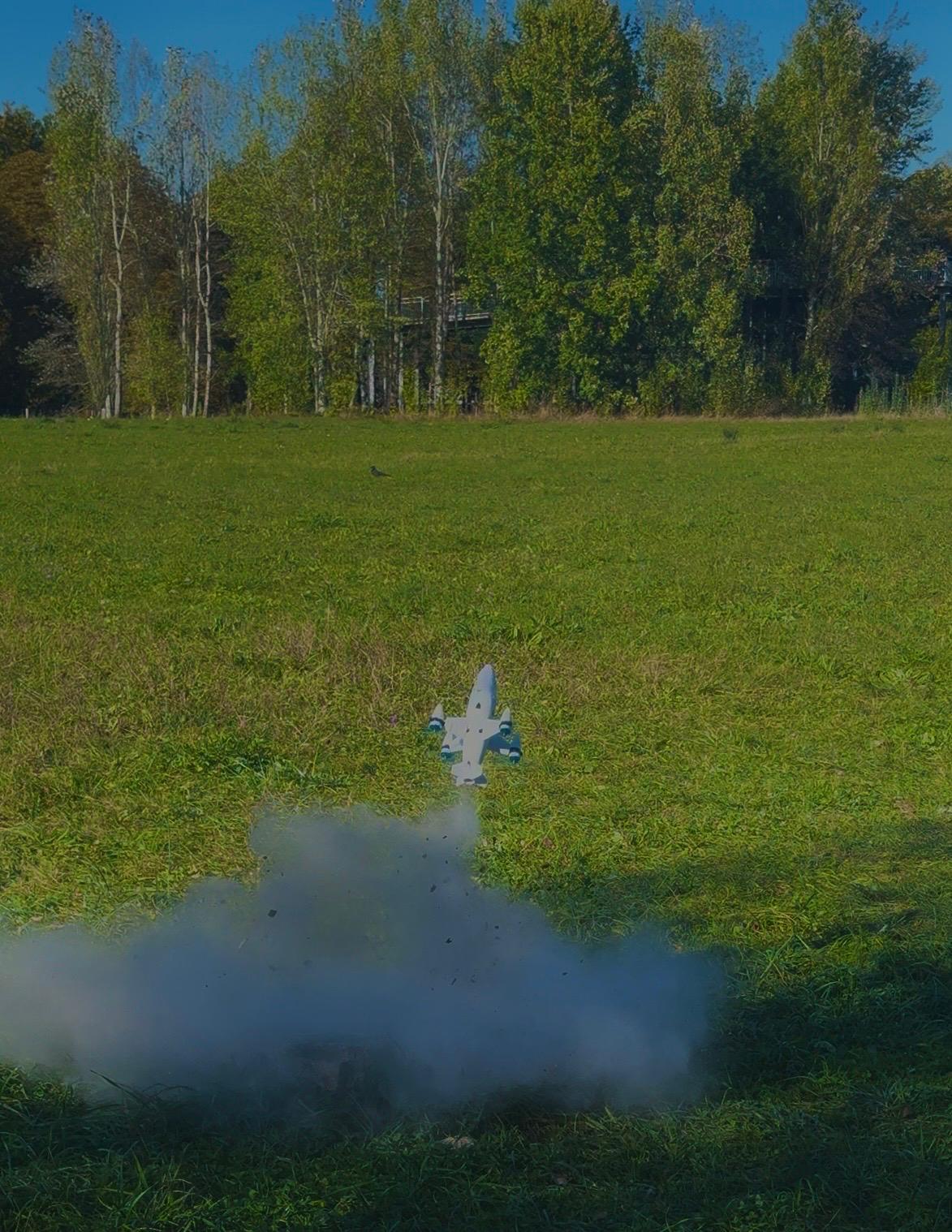

The interceptor proves the method.
BOREAS begins with an interceptor as a focused proof of concept: a demanding mission with clear performance requirements against which the automated workflow can be tested.

ETH Zurich Focus Project · 2026/27
Mission-defined drones, generated through a parametric design pipeline with minimal manual iteration.
Main partners

 Police partnershipCritical infrastructure
Police partnershipCritical infrastructure
Police partnershipCritical infrastructure
Specify the mission.
BOREAS is building a design-automation pipeline that translates mission requirements into a purpose-built drone. Parameters replace repeated manual redesign, allowing the system to explore, evaluate and refine aircraft concepts with minimal human effort.
Mission in.
The interceptor is the first proof of the method: one demanding mission translated into a traceable aircraft. It is not the end state—it is the first visible point in a design space that can open toward many future configurations.
People define the mission, constraints and acceptance criteria. Automation carries the repetitive exploration while decisions remain reviewable.
POC-01 / Interceptor-only mockup
The first proof. Not the final form.
The visualizer below generates interceptor concepts only. The interceptor is BOREAS’s proof of concept: a focused aircraft used to prove that mission requirements can drive geometry through the automated pipeline.
Once that method is validated, the interceptor becomes a doorway—not a limitation. Change the mission and the same parametric foundation can continuously modify range, payload, endurance, propulsion and geometry, opening a family of purpose-built aircraft without restarting from zero.
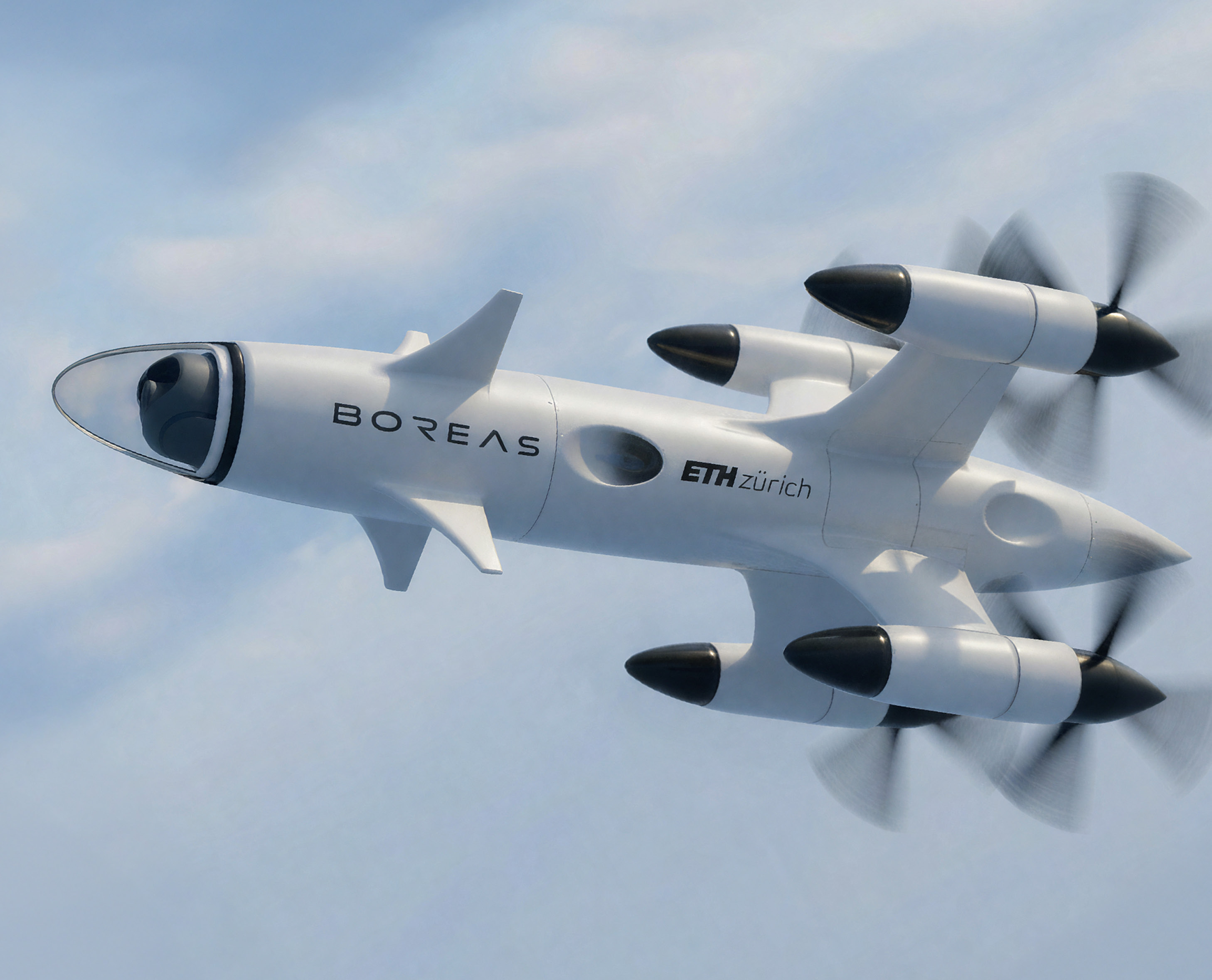
03 / Interceptor proof of concept
BOREAS begins with an interceptor as a focused proof of concept: a demanding mission with clear performance requirements against which the automated workflow can be tested.
The interceptor is one point in a wider design space. Connected parameters allow its geometry, propulsion and subsystems to evolve as the mission changes.
Once the pipeline is validated, new requirements can lead toward new variants—different range, payload, endurance or operating environments—without starting the design process from zero.
The interceptor is the physical proof of concept. Further aircraft shown here are design-space directions, not validated products.
Rapid-response configuration used to prove the automated workflow from mission input to engineering output.
Validation status · TBDA future long-duration mission profile derived from the same connected parameter space.
Concept only · no performance claimsA future payload-biased profile illustrating how a new mission can redirect geometry and propulsion.
Concept only · no performance claimsCapability needs
BOREAS treats responsible system design, information security and publication practice as part of the engineering work. Our preliminary Ethics Statement sets out how we approach dual-use technology, human responsibility and responsible collaboration.
Read the Ethics Statement ↗Built by students.
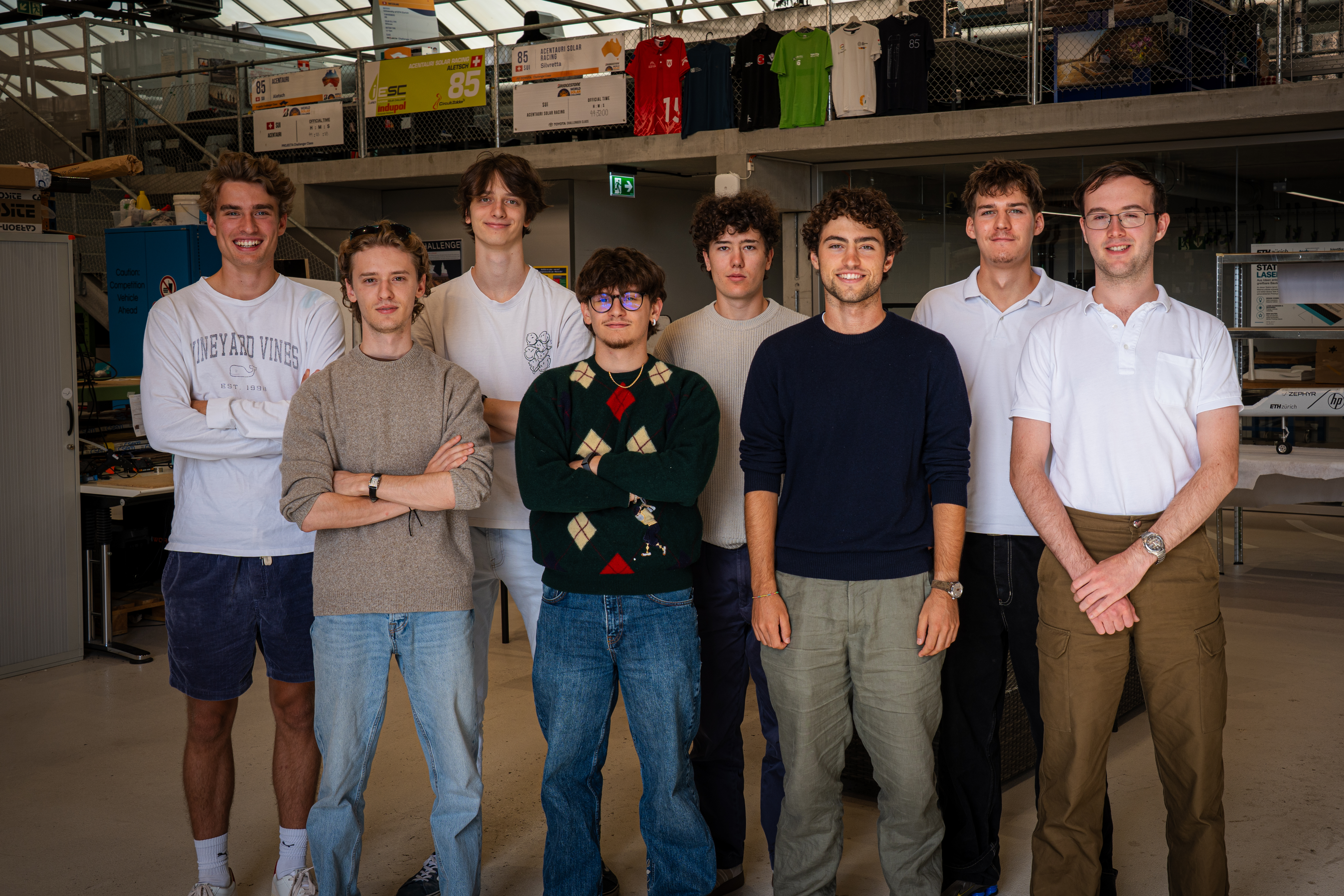
A multidisciplinary ETH Zurich team turning theory into a flying system.
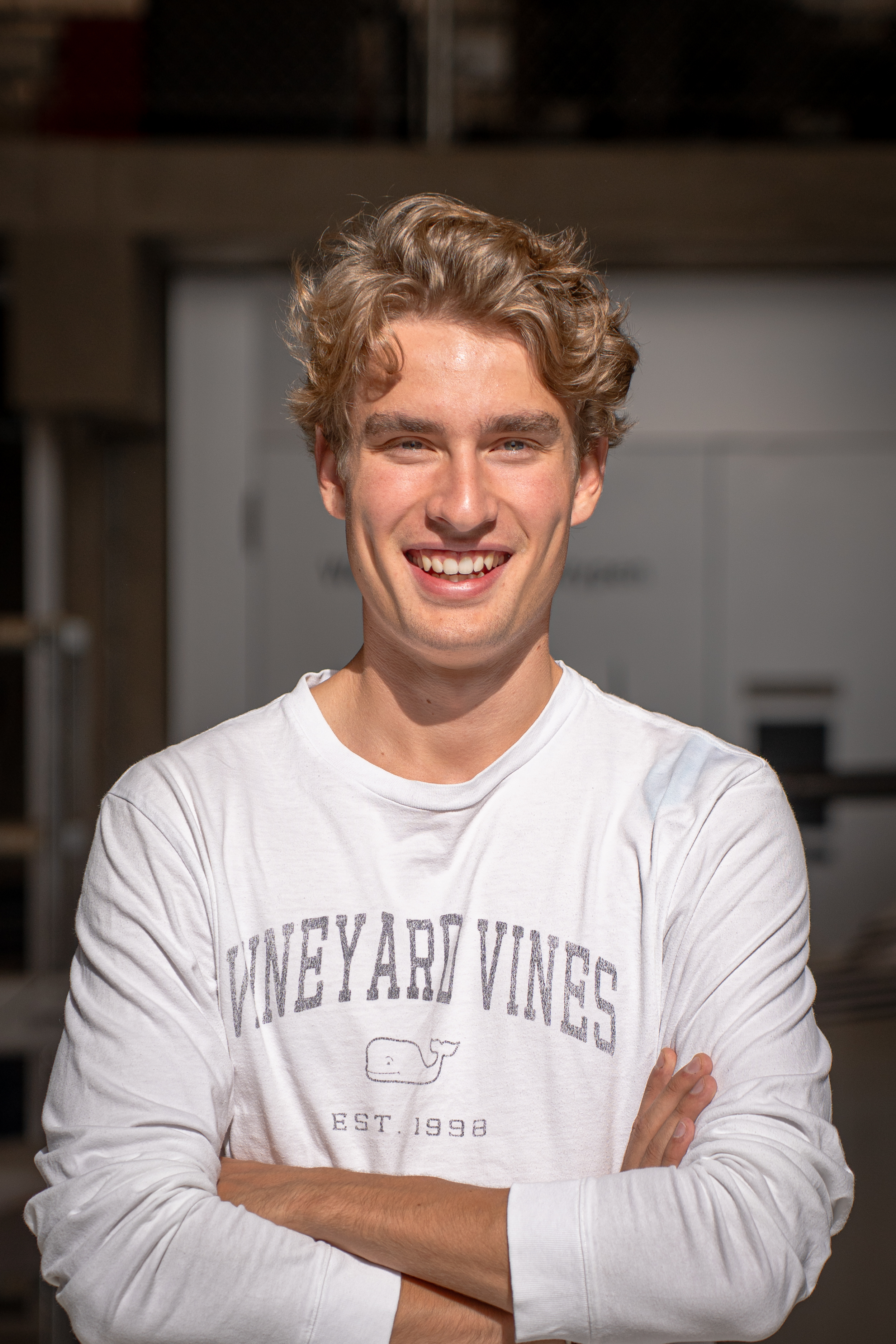 01
01Role to be confirmed
“Personal saying goes here.”
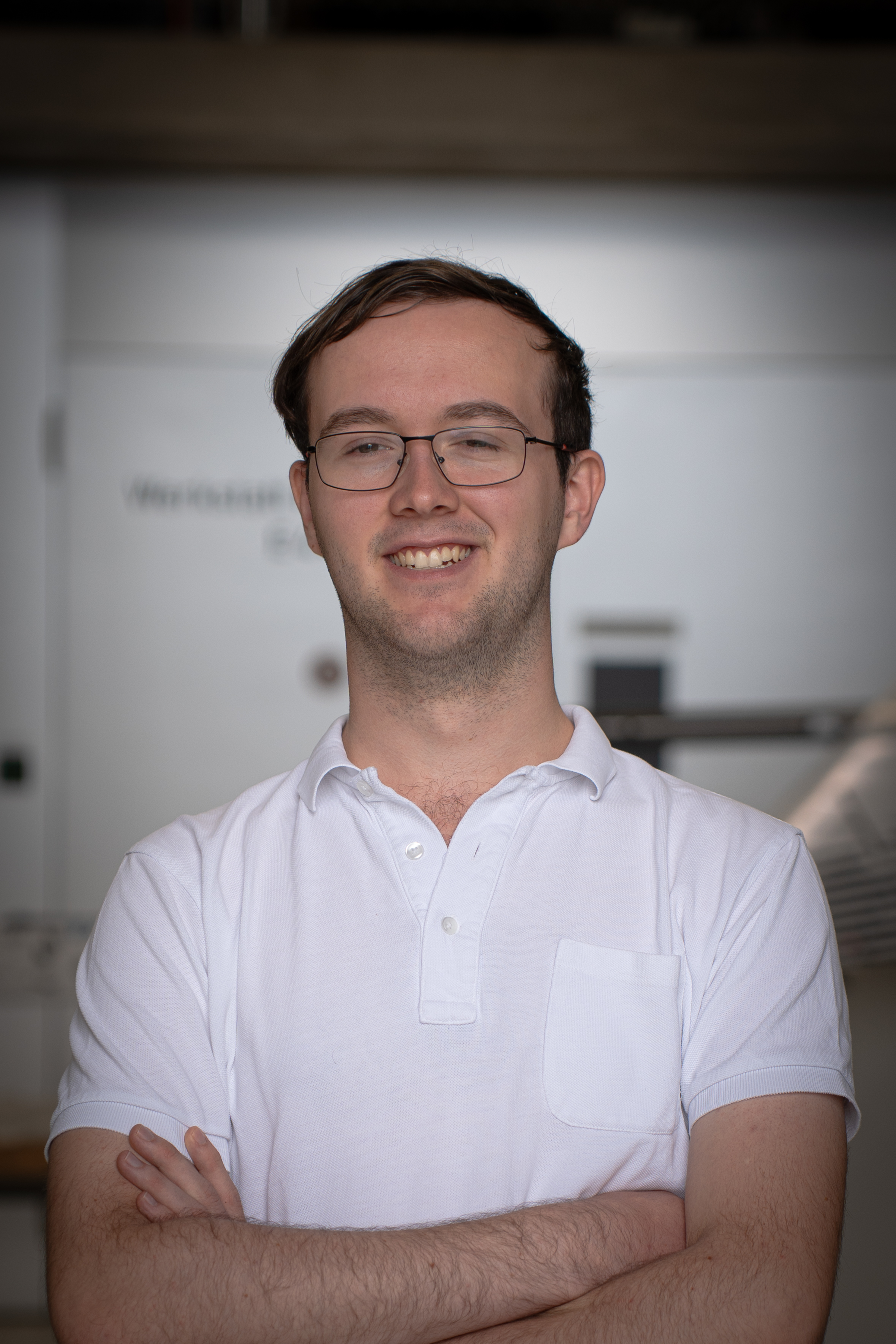 02
02Role to be confirmed
“Personal saying goes here.”
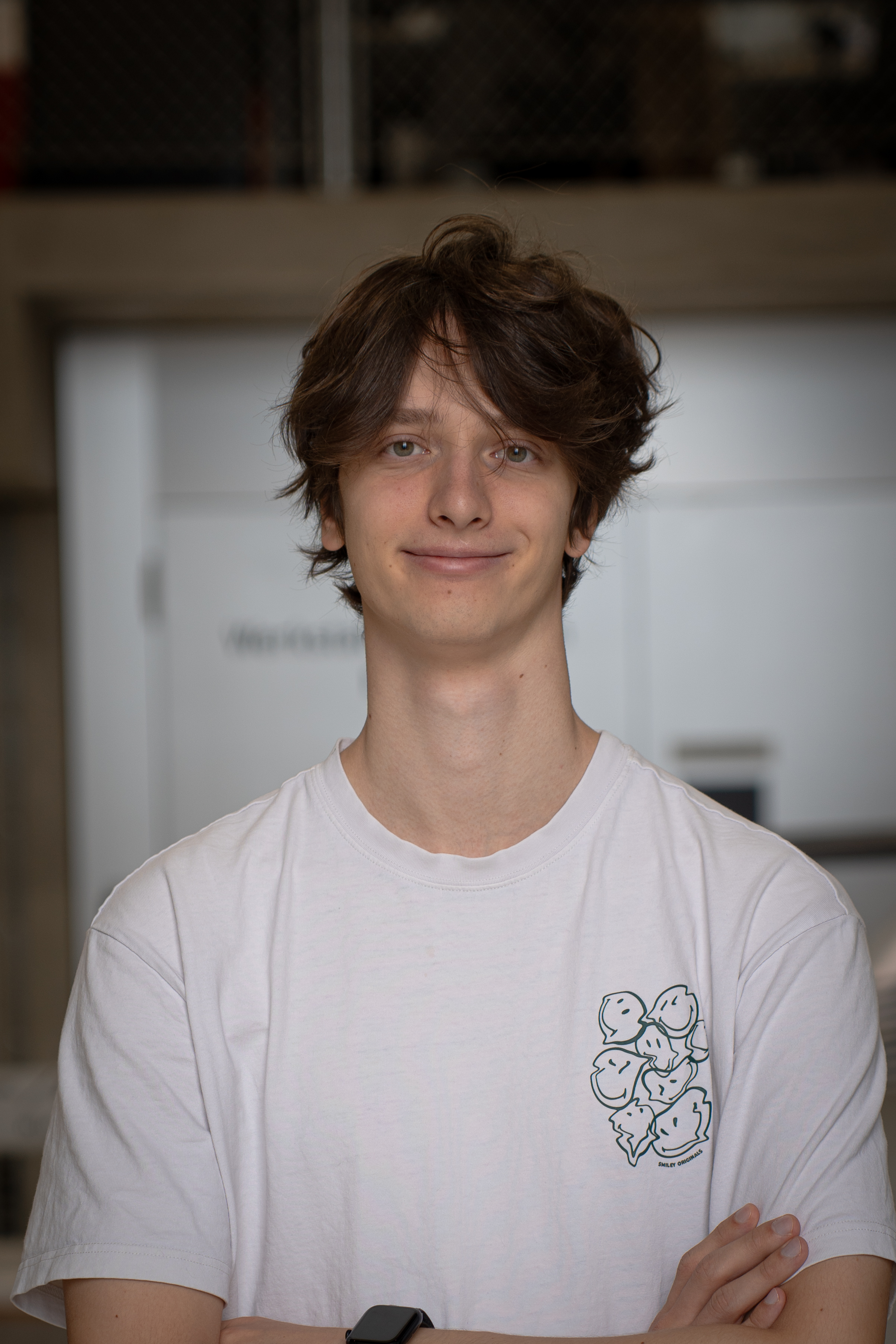 03
03Role to be confirmed
“Personal saying goes here.”
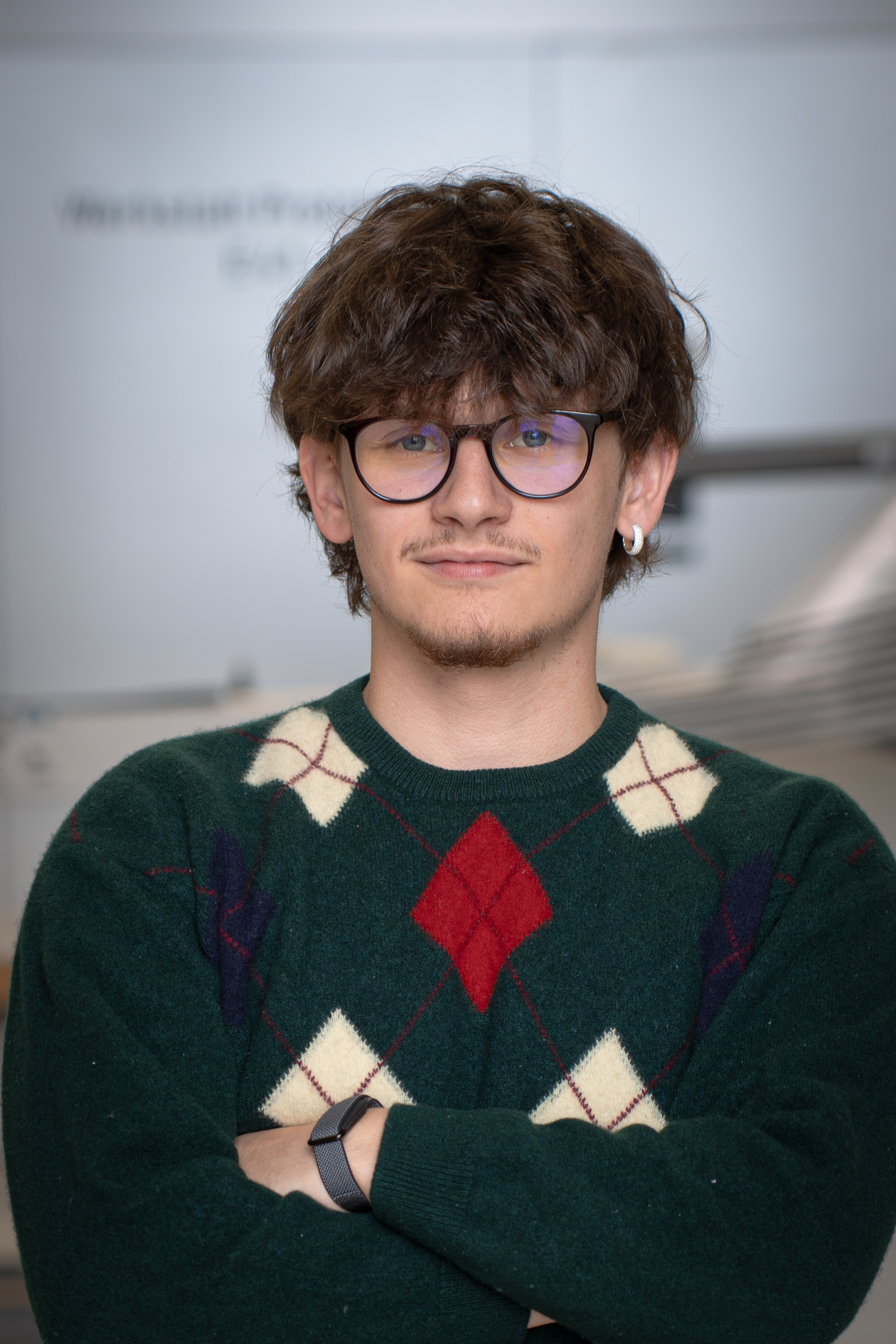 04
04Role to be confirmed
“Personal saying goes here.”
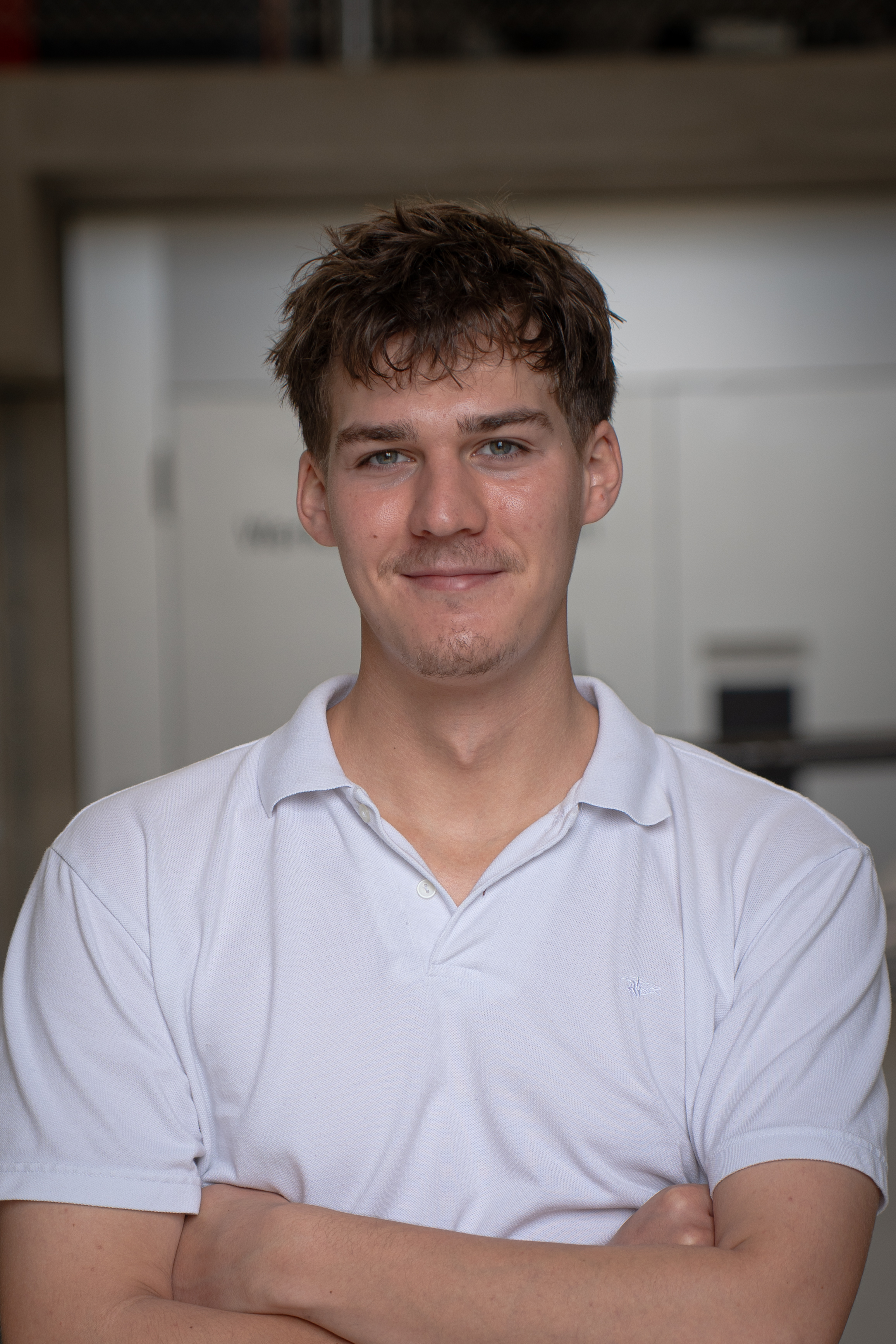 05
05Role to be confirmed
“Personal saying goes here.”
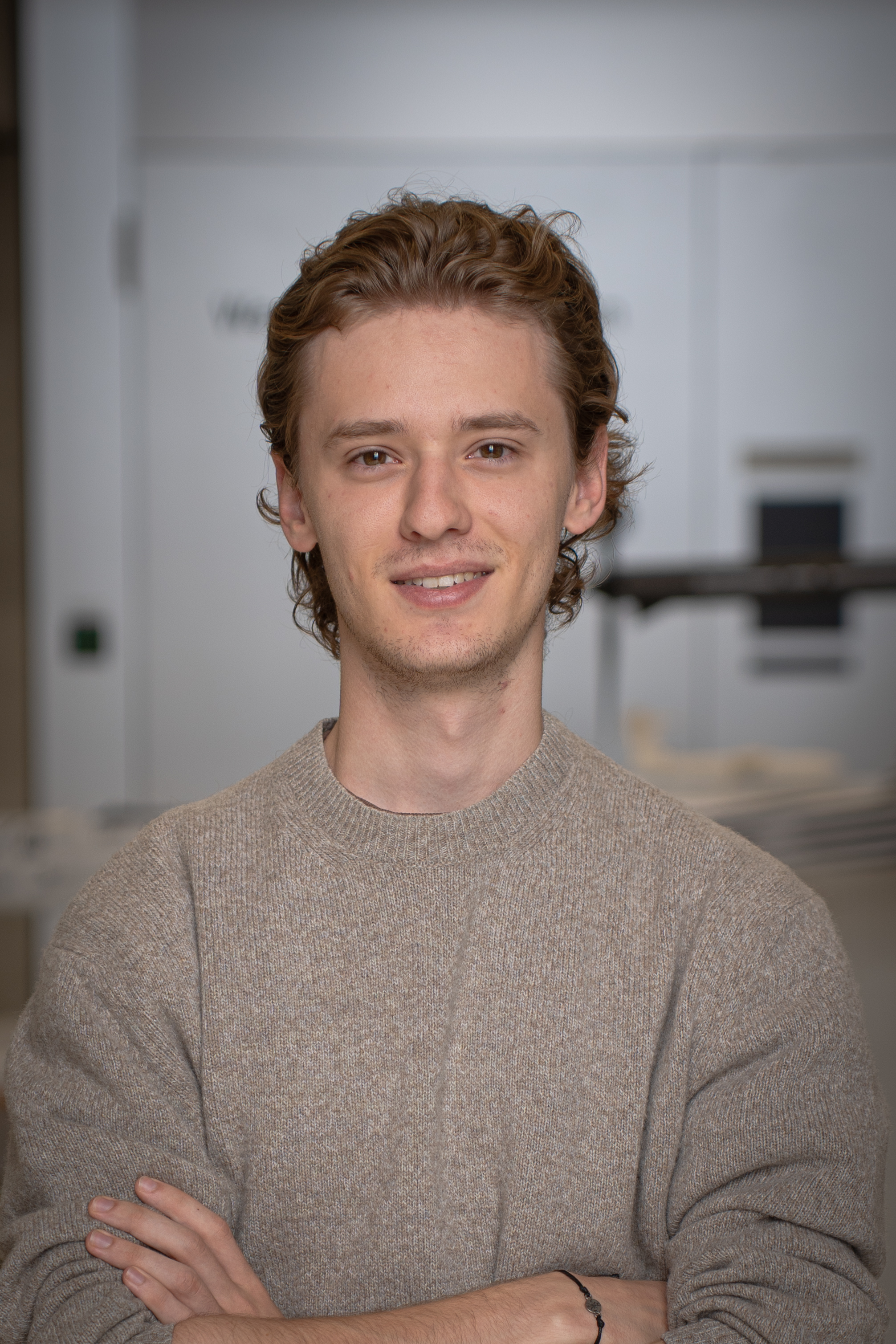 06
06Role to be confirmed
“Personal saying goes here.”
 07
07Role to be confirmed
“Personal saying goes here.”
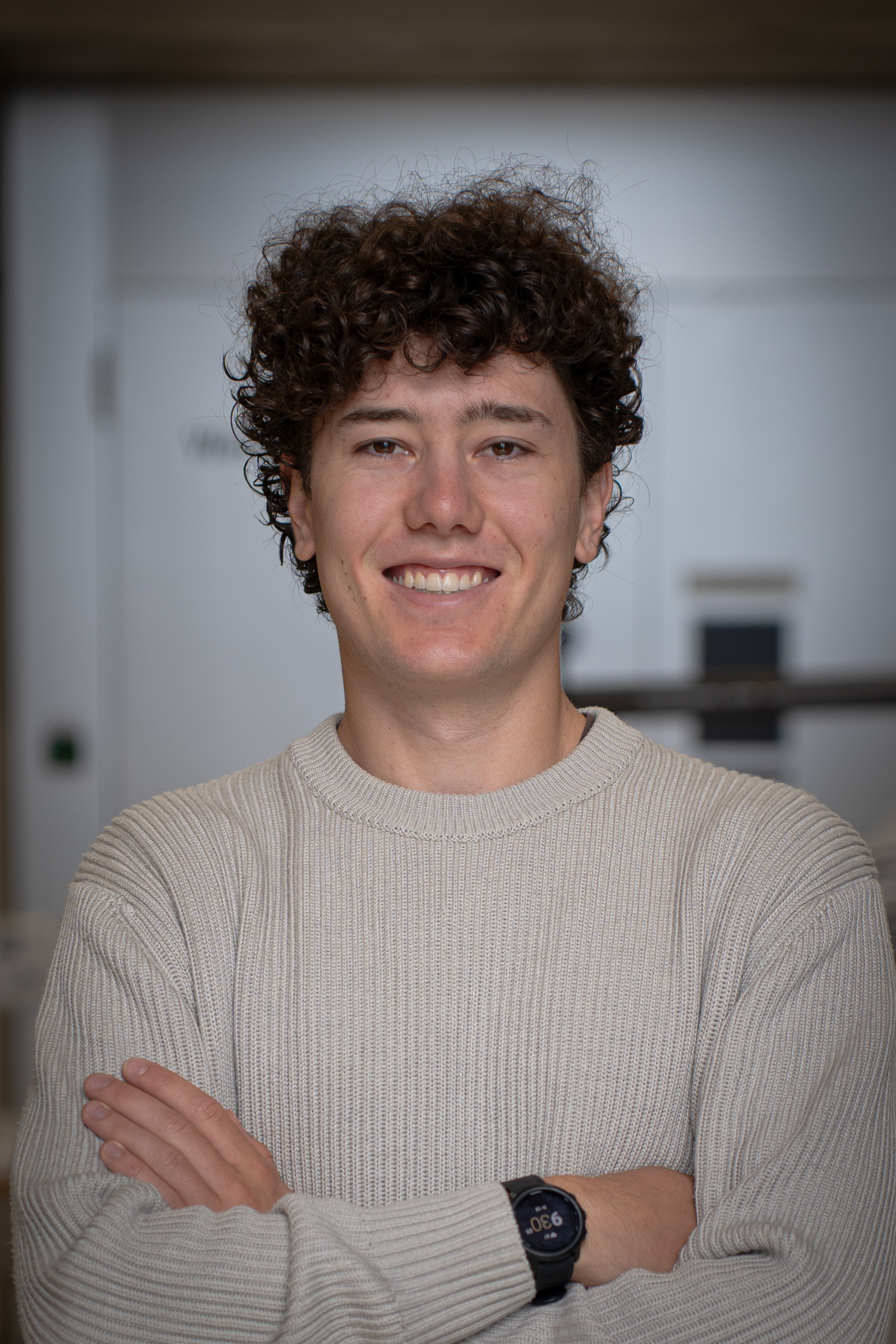 08
08Role to be confirmed
“Personal saying goes here.”
Names, roles and personal sayings can be added as soon as the final team list is confirmed.
There is no fixed playbook.
BOREAS brings together people who want to turn modelling, hardware and flight testing into one working system. Roles and application dates are still being defined; expressions of interest are welcome now.
Parametric CAD, optimization, data pipelines and engineering tooling.
Structures, aerodynamics, manufacturing and propulsion integration.
Controls, sensing, avionics, simulation and safety-oriented autonomy.
Test planning, instrumentation, validation, documentation and field operations.
Students · collaborators · future membersTell us where you want to contribute and what you want to learn.
Register your interest ↗Open the process.
Manuals, project context and selected video resources for anyone who wants to understand the reasoning behind a mission-defined aircraft.
Project foundations, visual language and a concise introduction to BOREAS.
Open manual ↗ Project dossier / PDFMission + partnership contextA broader overview of the project, its direction and opportunities to support the team.
Open dossier ↗ Video collection / YouTubeAutonomy + aerial roboticsSelected ETH Zurich and public learning material. Replace with the exact BOREAS playlist when published.
Explore videos ↗ Video collection / YouTubeParametric aircraft designBackground material on design spaces, optimization, simulation and engineering validation.
Explore videos ↗BOREAS-specific YouTube links are prepared as replaceable slots until the official uploads are available.
From the workshop
Progress is shared.
Academic homeProject partnerDomain exchange for responsible protective applications.
Application context for resilient infrastructure protection.
Technology, expertise, equipment or financial support.
Supporting partners